

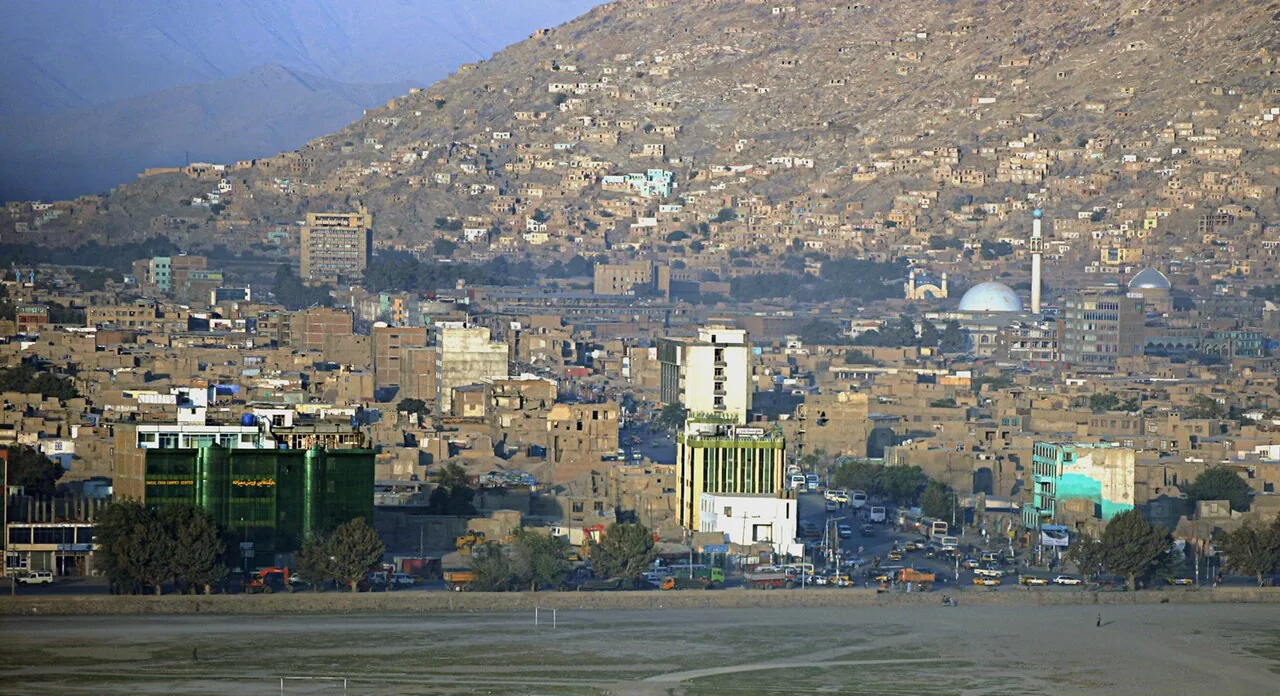
Kabul's economic story combines the work of a capital with the livelihoods of its surrounding valleys. Commerce, crafts, transport and services have shaped urban life, while farms supply food and support rural households. Small enterprises and market connections link these different parts of the province.
Land, livelihoods & local history
Kabul
Capital · Regional groupWhere city markets meet the surrounding valleys.
Loading the map…


1404 / 2025–26
Population estimate
- Rank
- 1 / 34
- Share of listed province total
- 17.67%
Kabul6,173,494
Median province686,398
Largest estimate6,173,494
Orchards & local value chains
Agricultural products & potential
Grapes, apples, apricots and almonds give Kabul a varied orchard profile. A useful business study could compare carefully graded fresh fruit with raisins, dried apricots and selected nut kernels. Harvest timing, packaging and the buyer’s specifications would shape that comparison, rather than treating every product as suitable for the same handling or sales route.
Documented products13


More products (5)


Fruit and orchard products; evidence dates are in the references.References ↗
Water & the local landscape
Water in the province
Paghman and Logar are two of Kabul’s named river corridors, alongside the Naghlu reservoir. They bring river valleys and stored surface water into the province’s water story.
Related to this province

Research
Administrative geography
Explore all 34 provinces, province and district grades, regional groups and newer district records in one linked directory.
Research
Water resources of Afghanistan
A guide to Afghanistan’s five major river basins, surface water, groundwater and the role of water in local livelihoods.

Research
Fruit, orchards and local value chains
Explore documented orchard products and provincial potential, with shared product icons and dated references.
District directory15
| District | Administrative center |
|---|---|
| Kabul | Kabul |
| Paghman | Paghman |
| Chahar Asyab | Chahar Asyab |
| Bagrami | Bagrami |
| Deh Sabz | Deh Sabz |
| Shakar Dara | Shakar Dara |
| Musahi | Musahi |
| Mir Bacha Kot | Mir Bacha Kot |
| Khak-e-Jabbar | Khak-e-Jabbar |
| Kalakan | Kalakan |
| Guldara | Guldara |
| Farza | Farza |
| Estalef | Estalef |
| Qara Bagh | Qara Bagh |
| Surobi | Surobi |