

Takhar's established economy combines agriculture, livestock and trade. Fruit growing, vegetables, cereals and fodder crops have complemented household herds. Market activity and non-farm labour connect the work of rural communities with Taloqan and other local centres.
Land, livelihoods & local history
Takhar
Northeast · Regional groupFields, fruit trees and the exchange of local produce.
Loading the map…


1404 / 2025–26
Population estimate
- Rank
- 10 / 34
- Share of listed province total
- 3.43%
Takhar1,196,656
Median province686,398
Largest estimate6,173,494
Orchards & local value chains
Agricultural products & potential
Pomegranates, almonds, grapes and apricots are included in Takhar’s recorded fruit mix. A useful value-chain review could separate fresh-fruit packing from raisin, dried-apricot and kernel preparation. Keeping varieties and harvest lots identifiable would help compare the options, while any proposed activity would still need local evidence about quality, operations and the intended buyer.
Documented products14


More products (6)


Potential products5


Fruit and orchard products; evidence dates are in the references.References ↗
Water & the local landscape
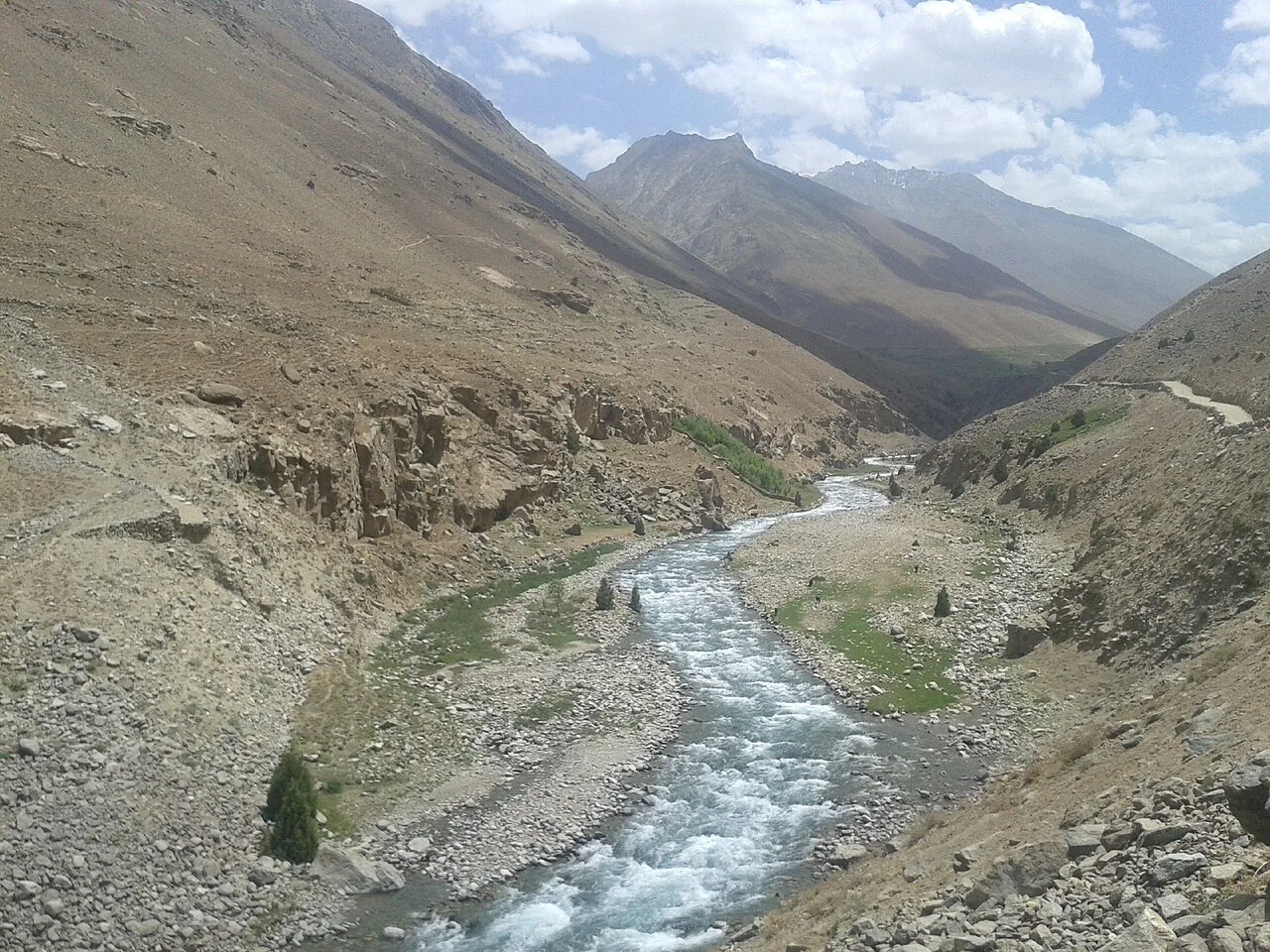
Water in the province
Kokcha and Farkhar are two river names through which to explore Takhar. Their corridors provide a local frame for reading the province’s watercourses, valleys and settled land.
Related to this province

Research
Administrative geography
Explore all 34 provinces, province and district grades, regional groups and newer district records in one linked directory.
Research
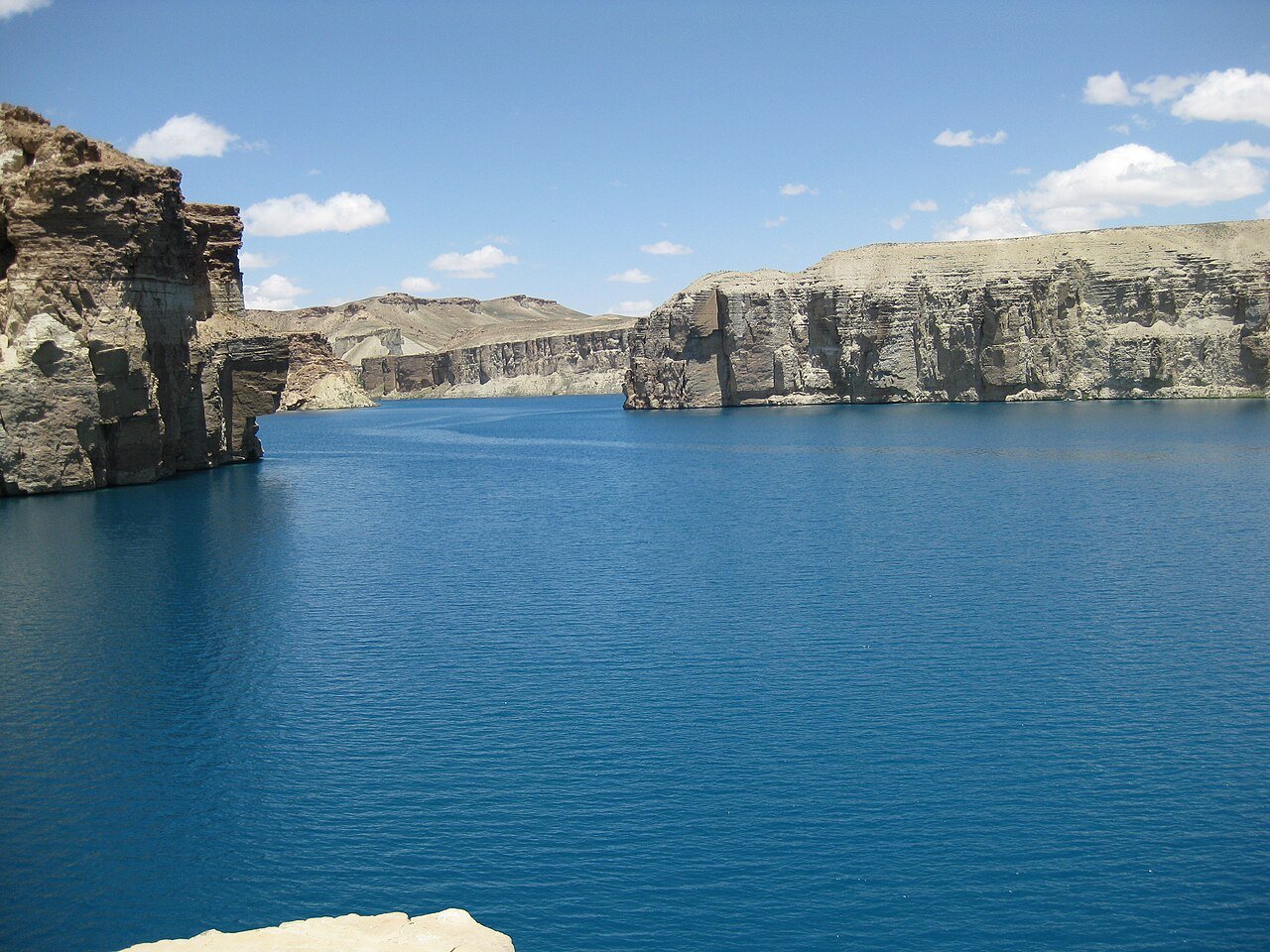
Water resources of Afghanistan
A guide to Afghanistan’s five major river basins, surface water, groundwater and the role of water in local livelihoods.

Research
Fruit, orchards and local value chains
Explore documented orchard products and provincial potential, with shared product icons and dated references.
District directory17
| District | Administrative center |
|---|---|
| Taloqan | Taloqan |
| Hazar Sumuch | Hazar Sumuch |
| Baharak | Baharak |
| Bangi | Bangi |
| Chal | Chal |
| Namak Ab | Namak Ab |
| Kalafgan | Kalafgan |
| Farkhar | Farkhar |
| Khwaja Ghar | Khwaja Ghar |
| Rostaq | Rostaq |
| Eshkmesh | Eshkmesh |
| Dasht-e-Qala | Dasht-e-Qala |
| Warsaj | Warsaj |
| Khwaja Bahawuddin | Khwaja Bahawuddin |
| Darqad | Darqad |
| Chahab | Chahab |
| Yangi Qala | Yangi Qala |